Our Impact
A credible distinction between intended outcomes, targets and verified results.
Farmers gain the knowledge, planting material and extension needed to manage cocoa well.
Cocoa adds a long-term income pathway alongside food crops and other enterprises.
Farmers sell through organized aggregation with clearer quality and transaction records.
Documented production and payments can help farmers build a stronger commercial history.
Plots are mapped, land safeguards are applied and farm practices protect people, soil and water.
Parish groups, nurseries and field teams create capacity that can support responsible expansion.
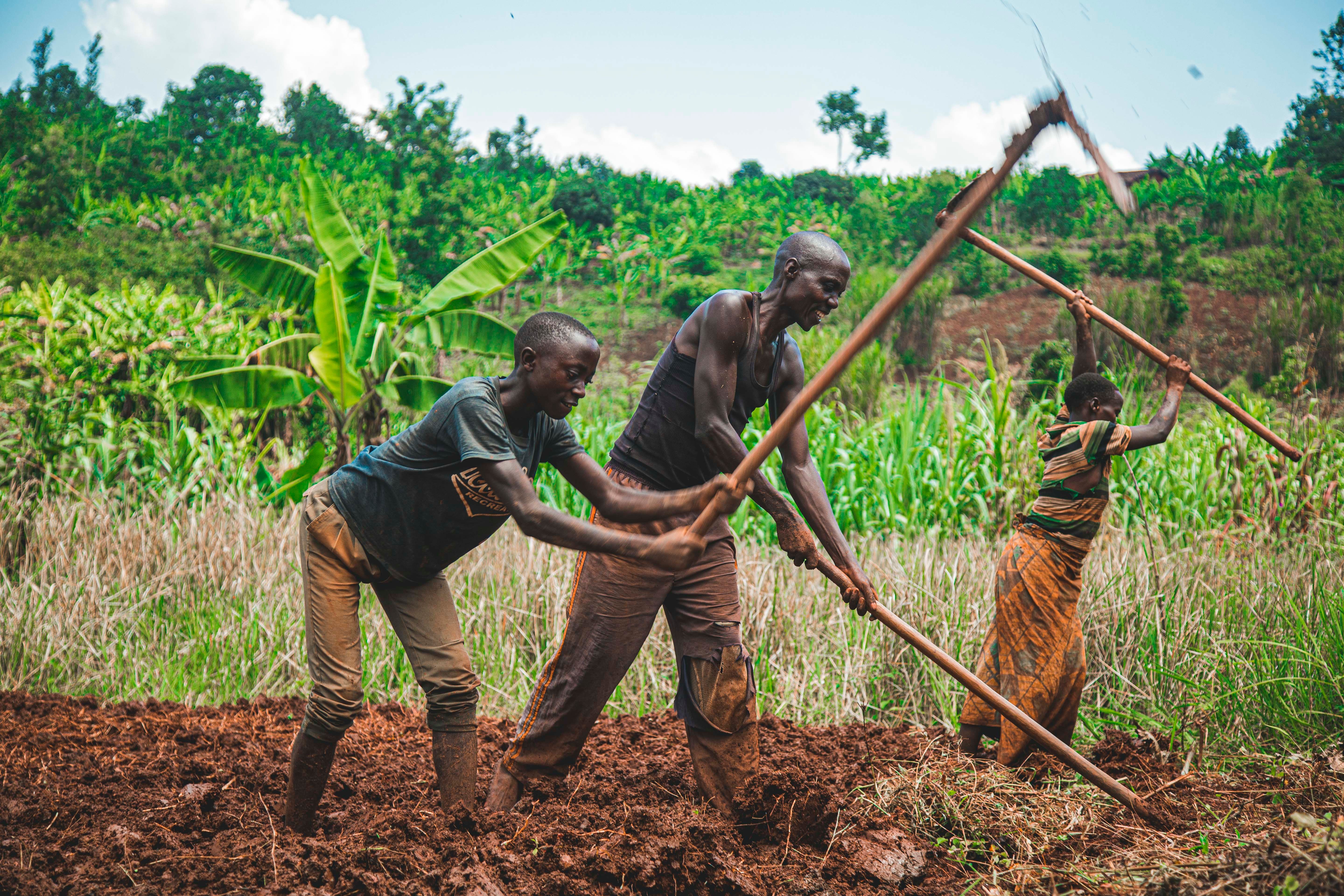
Bulimi's model is designed to support smallholder farmers to establish at least one acre of cocoa each in Western Uganda. Each acre of land represents regenerative agriculture practices through soil quality restoration, environmental conservation, quality seedlings last mile delivery, and farmer financial empowerment.
Farmer and plot registration, training attendance, seedling nursery and distribution records, field-visit logs, survival counts, input deliveries, quality records, cocoa purchases, farmer payments and buyer transactions will form the core evidence base.
Public reporting will state the reporting period and distinguish outputs from outcomes. Targets are labelled as targets; achievements will have a source and reporting date.